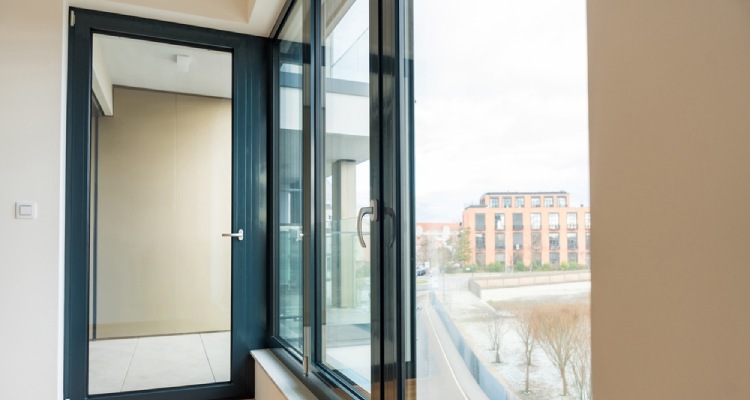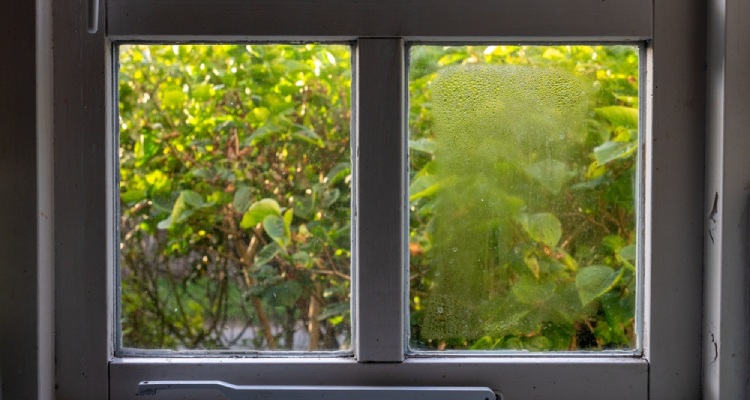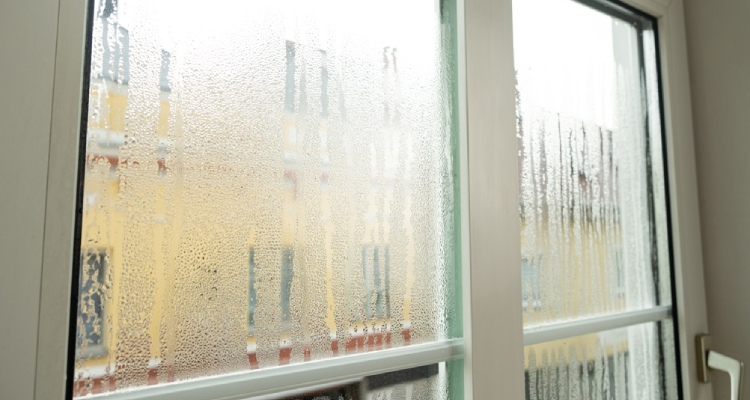

Condensation on windows is a persistent issue for high-rise buildings, creating not only unsightly streaks but also potential damage to interiors and health risks due to mold. The challenge is greater in tall structures, where environmental exposure, temperature fluctuations, and limited ventilation all contribute to the problem. Addressing window condensation effectively requires a blend of engineering, materials science, and practical building management. In this article, we’ll explore the unique condensation challenges high-rises face and review the best anti-condensation window solutions available today.
Understanding Condensation Challenges in High-Rise Windows
High-rise buildings experience pronounced condensation issues due to their exposure to varying external conditions at different heights. Wind pressures, external temperatures, and humidity can differ significantly even between floors, making it difficult to maintain a consistent indoor climate. Windows, as the interface between inside and outside, often become the weak link where warm, moist indoor air meets cooler surfaces, resulting in water droplets forming on the glass.
Another factor is the limited ventilation that’s typical in high-rise construction. Modern high-rises are designed to be airtight for energy efficiency, which inadvertently traps humidity produced by daily activities such as cooking, bathing, and even breathing. Without adequate airflow, this moisture has nowhere to escape, increasing the likelihood of condensation on window panes, particularly during colder months when temperature differences are more extreme.
The consequences of persistent window condensation go beyond aesthetics. Over time, moisture accumulation can damage window frames, stain walls, and foster the growth of mold and mildew, compromising indoor air quality. If left unaddressed, these issues can escalate into significant maintenance costs and even structural damage. Understanding these unique challenges is the first step towards selecting the right anti-condensation window solutions for high-rises.
Top Window Solutions to Combat Condensation Effectively
One of the most effective anti-condensation solutions for high-rises is the installation of double or triple-glazed windows with insulated frames. These windows consist of two or three panes of glass separated by a sealed air or inert gas layer, which acts as a thermal barrier. This design keeps the inner pane closer to room temperature, reducing the likelihood of condensation even when outside temperatures plummet. High-quality frames made from materials like uPVC or thermally broken aluminum also enhance insulation and help prevent cold bridging.
Another widely adopted approach is the application of hydrophilic or anti-condensation window coatings. These specialized coatings, often applied during manufacturing or retrofitted on-site, work by dispersing water droplets into a thin, transparent layer that dries quickly and reduces visible streaks. Some coatings also contain antimicrobial agents that inhibit mold and mildew growth, further improving indoor air quality. Maintaining these coatings is straightforward, usually requiring periodic cleaning to retain their effectiveness.
Lastly, integrating mechanical ventilation systems such as Energy Recovery Ventilators (ERVs) or trickle vents into high-rise window assemblies can make a significant difference. These systems promote a steady exchange of indoor and outdoor air without compromising energy efficiency. By continuously removing excess humidity, they prevent condensation from forming in the first place. Modern high-rises often combine these ventilation solutions with smart building management systems that monitor and regulate indoor humidity, maximizing both comfort and energy savings.
Combating condensation in high-rise windows demands a holistic approach that considers insulation, coatings, and ventilation. With the right combination of advanced glazing, innovative surface treatments, and controlled airflow, building owners and managers can effectively minimize condensation, safeguarding both structural integrity and occupant health. Investing in modern anti-condensation window solutions is not just about aesthetics—it’s a crucial step towards creating more sustainable, comfortable, and healthy high-rise environments.
Get in touch with You Choose for any high-rise building enquiries you migth have!