
For property managers, freeholders, landlords, surveyors, and residents’ association representatives, ensuring the integrity and appearance of residential blocks is a top priority. Windows play a crucial role in energy efficiency, security, and comfort. Yet, recognising when old windows have reached the end of their life—and understanding the best, most cost-effective ways to replace them—can be a significant challenge, particularly in blocks of flats and high-rise buildings.
This article outlines the key warning signs that indicate windows need replacing, the unique challenges of window replacement in multi-storey properties, and how the latest scaffold-free methods offer practical, economical solutions.
Why Window Condition Matters in Blocks of Flats
Windows are more than just a building’s ‘eyes’. Their condition affects:
- Thermal efficiency: Poorly performing windows allow heat to escape, driving up energy bills and reducing comfort.
- Sound insulation: Quality windows keep out unwanted urban noise, crucial in busy areas.
- Security: Weak or damaged frames and locks can compromise resident safety.
- Aesthetics & value: Well-maintained windows enhance kerb appeal and the overall value of the property.
- Regulatory compliance: Outdated or damaged windows can lead to breaches of health, safety, and energy efficiency regulations.
Key Warning Signs: When Windows Reach End of Life
Knowing exactly when windows need replacing helps you avoid costly repairs, resident complaints, and possible compliance issues. Here are the most common signs to watch for:
1. Draughts and Cold Spots
If residents report cold air seeping in, especially around the window frame, it often means seals and gaskets have failed. Over time, even minor draughts can result in significant heat loss and discomfort.
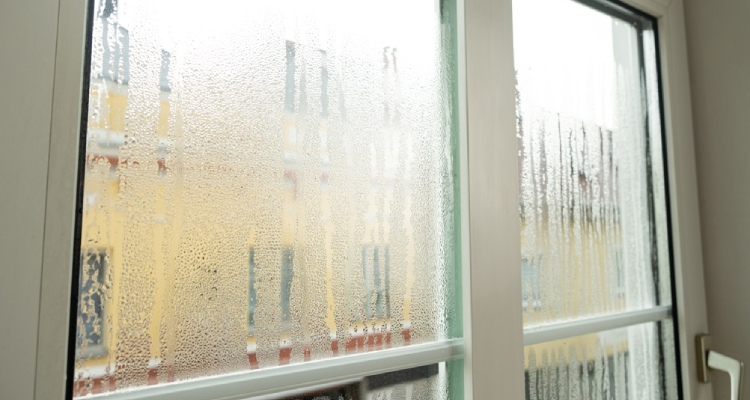
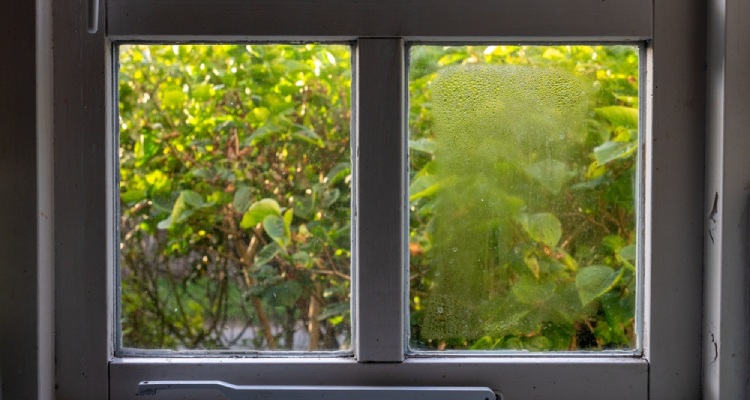
2. Condensation and Misting Between Panes
Double-glazed windows should be airtight. Moisture or fogging between the panes signals a broken seal, reducing thermal performance and indicating the window’s insulating gas has escaped.
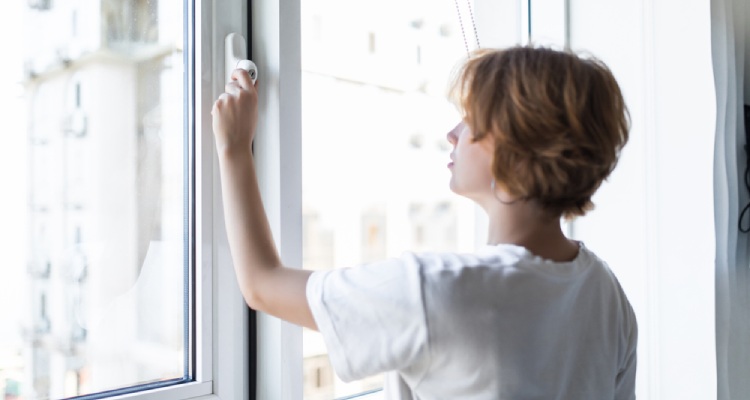
3. Difficulty Opening or Closing
Windows that stick, jam, or won’t latch securely suggest warping, frame damage, or faulty mechanisms. This not only impacts usability but can also pose safety and fire egress risks.
4. Visible Damage or Decay
Cracked panes, rotting timber, corroded metal, or flaking paint are obvious red flags. Damaged frames can admit water, leading to further structural issues and even mould growth inside the flat.
5. Excessive Noise Infiltration
If occupants complain about external noise, it could be a sign the windows are no longer providing adequate sound insulation. This is particularly noticeable in city-centre or roadside properties.
6. Increased Energy Bills
A gradual rise in communal or individual heating costs may be traced back to poorly performing windows, especially in older blocks where installations are decades old.
Quick Reference Table: Window End-of-Life Warning Signs
| Sign | What It Means | Impact on Residents/Building |
|---|---|---|
| Draughts | Failed seals or gaskets | Discomfort, higher bills |
| Condensation between panes | Broken double-glazing seal | Lower insulation, foggy view |
| Sticking/jamming | Warped frame or broken mechanism | Safety risk, inconvenience |
| Visible damage/decay | Age, moisture, poor maintenance | Water ingress, damp, security |
| Noise infiltration | Failed seals or thin glazing | Less comfort, more complaints |
| Rising energy bills | Poor insulation efficiency | Cost, environmental impact |
Unique Challenges in Blocks of Flats and High-Rises
Replacing windows in single homes is relatively straightforward. In blocks of flats and high-rises, however, several additional challenges arise:
- Access: Many windows are several storeys up, making access difficult and potentially hazardous.
- Disruption: Scaffolding can block access, increase noise, and inconvenience residents for weeks.
- Cost: Erecting scaffolding can add thousands of pounds to the project.
- Regulatory Approvals: Planning permissions, party wall agreements, and freeholder consent may be needed.
- Uniformity: Ensuring new windows match the building’s appearance and meet leasehold requirements.
Scaffold-Free Window Replacement: The Modern Solution
Traditional window replacement methods rely on costly, disruptive scaffolding. Fortunately, innovative scaffold-free techniques now allow for efficient, safe replacement of windows in high-rise and hard-to-reach locations.
What Are Scaffold-Free Methods?
Scaffold-free window replacement uses advanced equipment and skilled technicians, who work either from inside the flat or use specialist platforms and rope access. Key benefits include:
- Minimal Disruption: Residents can go about their day with little interruption.
- Cost-Effective: Eliminates the high costs associated with scaffolding erection and removal.
- Speed: Projects can be completed more quickly, reducing the total time the building is under maintenance.
- Safety: All work is carried out in accordance with strict health and safety guidelines, using trained professionals.
Ideal Situations for Scaffold-Free Replacement
- Occupied residential blocks where minimal disruption is crucial
- City centre or built-up areas where space for scaffolding is restricted
- Tall buildings where access is otherwise a logistical challenge
- Heritage or conservation areas where external changes must be minimised
Planning a Window Replacement Project: Steps for Success
Window replacement in flats is a significant investment. Here’s a streamlined process to ensure your project runs smoothly:
1. Survey and Assessment
Arrange for an independent survey of the building’s windows. This helps identify precisely which units are failing, what types of replacement are suitable, and whether scaffold-free methods are possible.
2. Consultation and Planning
Consult with leaseholders and residents. Clear communication about the reasons for replacement, expected benefits, and project timelines will help secure support and consent.
3. Choose the Right Replacement Windows
Consider:
- Energy efficiency ratings
- Acoustic insulation properties
- Security features
- Aesthetic compatibility with the building
- Compliance with Building Regulations
4. Select a Specialist Installer
Engage a provider experienced in working with multi-storey and high-rise properties, especially one with a proven track record in scaffold-free installation.
5. Logistics and Scheduling
Plan works to minimise disruption. Stagger installation room by room or floor by floor, ensuring affected residents are given advance notice.
6. Aftercare and Guarantees
Ensure your installer offers comprehensive aftercare, maintenance advice, and warranties for your new windows.
Benefits of Professional, Scaffold-Free Replacement
Choosing an experienced window replacement specialist for your block of flats brings major advantages:
- Reduced Disruption: Work is completed quickly and quietly, with little impact on daily routines.
- Lower Overall Cost: Scaffold-free solutions can save significant sums, especially on larger estates.
- Enhanced Safety: Professional installers are fully trained for at-height and rope-access work.
- Regulatory Compliance: You benefit from up-to-date knowledge of current building and safety regulations.
- Improved Performance: Modern windows offer superior insulation, security, and longevity.
Why Trust an Expert Partner?
Window replacement in high-rise and block settings is not a DIY job. You need a partner who:
- Has extensive experience with multi-unit residential buildings
- Understands unique challenges posed by height, access, and resident needs
- Offers clear advice, transparent pricing, and a range of installation options, including scaffold-free methods
A specialist partner will guide you through surveys, product selection, installation, and aftercare—delivering a seamless project that adds long-term value to your property.
Conclusion: Don’t Ignore the Warning Signs
Old, failing windows are more than just an aesthetic issue—they can lead to higher costs, resident dissatisfaction, and regulatory headaches. By recognising key end-of-life warning signs and embracing modern scaffold-free replacement solutions, you can address problems quickly, cost-effectively, and with minimal disruption.
If you’re unsure whether your block’s windows are nearing the end of their life, or you’d like to arrange a survey and discuss practical, scaffold-free replacement options, now is the ideal time to act. Your residents—and your building—will thank you for it.