Replacing windows in a high-rise building is never a one-size-fits-all project. The types of windows used, how they open, what materials they’re made from, and how they are installed — all vary depending on the building’s height, purpose, and architectural style. Whether you’re a facilities manager, property owner, or part of a residential committee, choosing the right window solution is essential not just for appearance, but for safety and long-term performance.
In this guide, we explore the different types of windows suitable for high-rise properties and explain how YouChooseWindows replaces each one — without using scaffolding.
Key Requirements for High-Rise Windows
Due to the added exposure and safety risks at higher elevations, windows installed in high-rise buildings must meet stricter design, structural, and compliance standards than those in low-rise buildings. These include:
- Fall prevention — Limiting how far a window can open
- Wind resistance — Handling increased pressure at height
- Structural integrity — Securely fixed and resistant to vibrations
- Thermal insulation — Meeting energy efficiency regulations
- Soundproofing — Minimising noise from outside
- Maintenance access — Allowing safe cleaning
Types of Windows Commonly Used in High-Rise Buildings
Here’s a breakdown of the most popular window types for tall buildings in the UK:
1. Fixed Windows
Non-opening windows that provide high security and energy efficiency. They’re often used in places where ventilation is not needed or handled mechanically, or where fall risks are high.
2. Tilt-and-Turn Windows
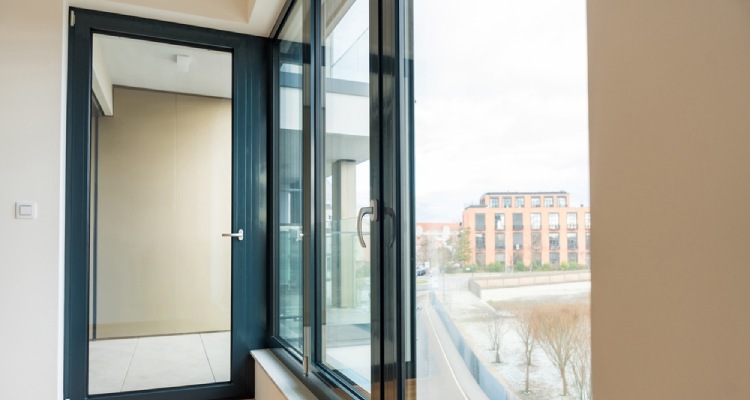
One of the most popular options for high-rise buildings. These open inwards in two ways — tilted for ventilation or fully open for cleaning. This dual-function design makes them ideal for safety and practicality.
3. Side-Hung Casement Windows (with restrictors)
These traditional windows can open outwards but are fitted with restrictors to limit opening angles, helping reduce fall risk.
4. Top-Hung Reversible Windows
Rotate 180 degrees for easy internal cleaning, common in modern apartment buildings.
5. Combination Systems
Some buildings use fixed panes alongside smaller operable sections to maintain aesthetics while providing functionality.
Why Are Fixed Windows Common in High-Rises?
Fixed windows are often chosen for higher floors because they:
- Eliminate fall risks entirely
- Have fewer mechanical parts (lower maintenance)
- Are cheaper per unit than operable alternatives
- Improve airtightness and thermal performance
They’re commonly paired with internal ventilation systems to ensure airflow is still provided.
Window Materials: What to Choose
Window frame material affects everything from safety to energy efficiency. For high-rise applications, we most commonly recommend:
- Aluminium: Strong, corrosion-resistant, and ideal for slim profiles. Excellent for modern aesthetics.
- Composite: Timber-aluminium hybrids that offer the warmth of wood inside and the resilience of aluminium outside.
- Steel replacements in aluminium: For heritage-style blocks, we offer replica steel-look windows in lighter aluminium for easier installation.
Replacing These Windows Without Scaffolding
One of the biggest challenges in high-rise window replacement is access. Traditional methods involve scaffolding, suspended cradles, or even abseilers — all of which add cost, risk, and disruption.
Our solution at YouChooseWindows is different.
We use a secure internal bracketing system, tested to withstand up to 7kN of force. This allows us to:
- Remove and install windows from inside the property
- Avoid external platforms or scaffolding
- Replace multiple units quickly, safely, and cleanly
Which Windows Can Be Replaced Scaffold-Free?
We can replace nearly all of the following without scaffolding:
- Tilt-and-turn inward-opening windows
- Fixed glazing units
- Side-hung windows with accessible internal anchor points
- Aluminium steel-replacement windows
Where external access is restricted or undesirable, our internal access system offers an ideal solution. We tailor every project based on the building’s architecture, layout, and existing window types.
High-Rise Window Replacement in Conservation Areas
Concerned about preserving the original look of your building? Many high-rise properties — especially in London — fall within conservation zones or have heritage features.
YouChooseWindows offers bespoke replacement options that:
- Match original styles (e.g. stepped steel, art deco, putty-line)
- Comply with local planning requirements
- Upgrade performance without changing appearance
We also handle design documentation and planning submissions as needed.
Performance Benefits of Modern High-Rise Windows
By upgrading older single-glazed units to modern equivalents, you’ll benefit from:
- U-values under 1.6 W/m²K (compared to 3.5–5 for old steel or timber)
- Lower heating costs
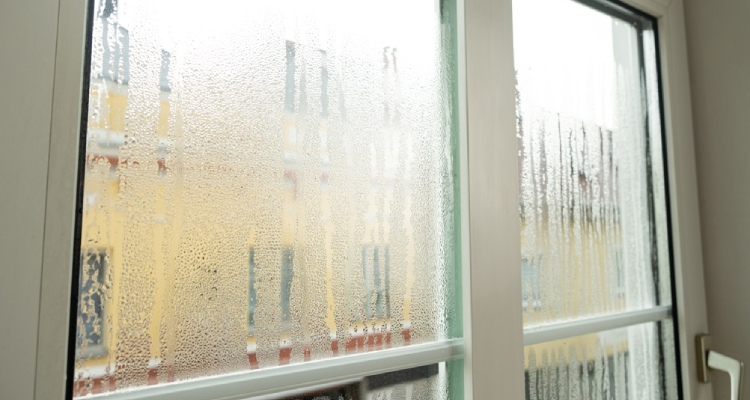
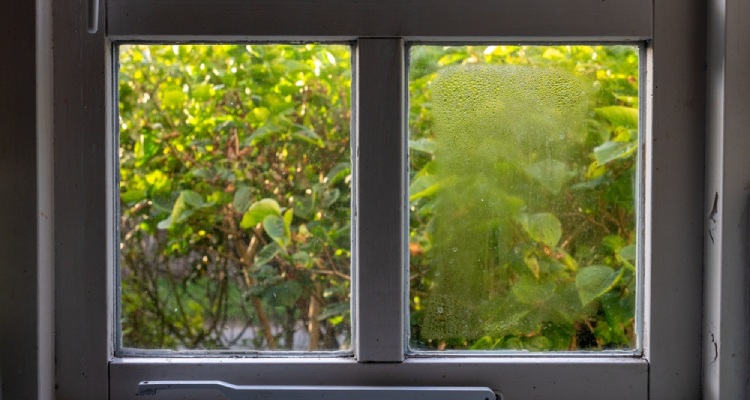
- Less internal condensation
- Better soundproofing
- Improved safety features (e.g. lockable restrictors, laminated glass)
Case Study Snapshot
In a 9-storey block in Croydon, we replaced 68 tilt-and-turn windows using only internal access. No scaffolding. No exterior obstruction. Residents remained in their flats during installation, and feedback highlighted the speed, cleanliness, and quietness of the work.
In another Grade II-listed block, we used aluminium putty-line replicas to maintain the 1930s aesthetic. Planning officers approved the proposal without objections, and all units were installed without scaffolding.
Ready to Upgrade Your High-Rise Windows?
Whether you’re modernising a residential tower or managing phased refurbishments in a block of flats, we can help. Our scaffold-free replacement method ensures your project is:
- Compliant
- Cost-effective
- Minimally disruptive
Request a Free Survey
Book a free site assessment today, and let us show you how we can upgrade your building’s windows — safely, efficiently, and without scaffolding.